
Leading with Emotional Intelligence
Training Course
Lead with emotional intelligence through self-awareness, AI-augmented reflection, empathy, emotional regulation, relationship management, trust, and resilient team dynamics.

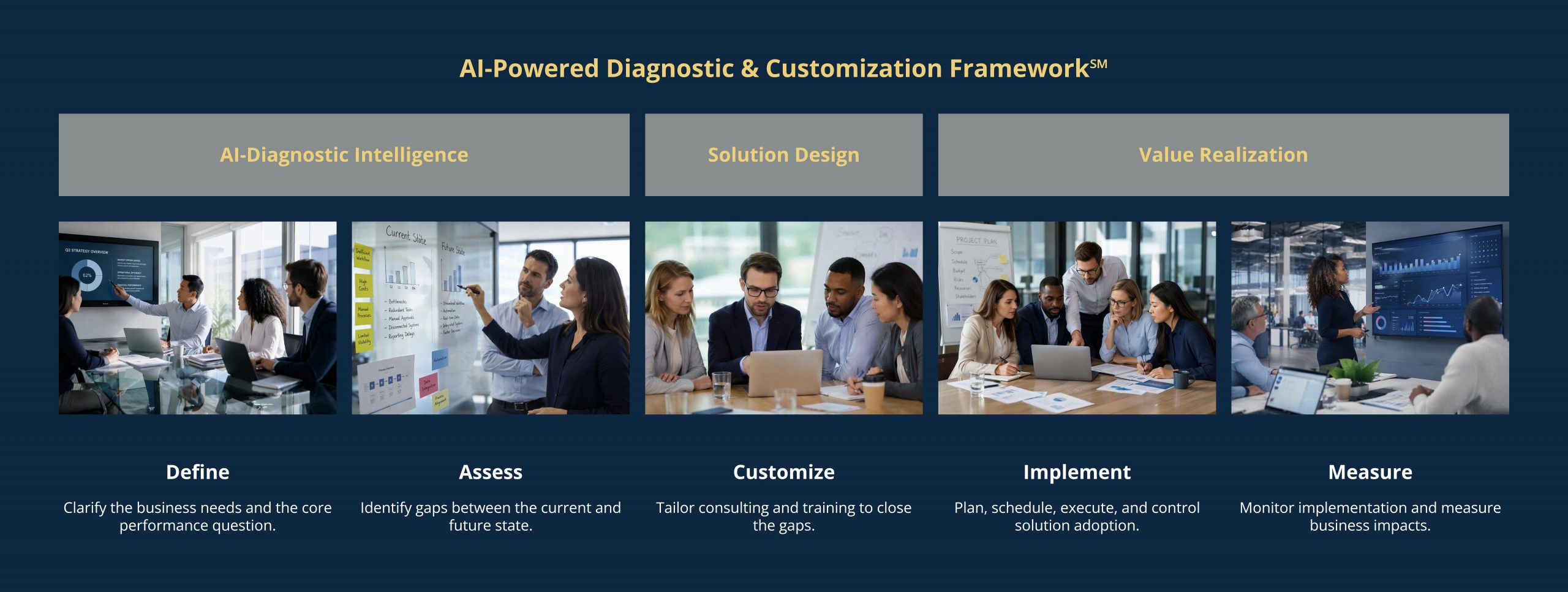
Leading with Emotional Intelligence helps organizations develop leaders, managers, professionals, team leads, high-potential employees, and cross-functional groups who need to navigate interpersonal complexity with greater self-awareness, empathy, composure, trust, and relationship discipline. Anchored in AMS Academy’s 4x4 Training Design Model℠ and AI-Powered Diagnostic & Customization Framework℠, the course meets participants at the right level and guides practical skill application. It strengthens emotional intelligence foundations, self-awareness, self-management, social awareness, empathy, relationship management, and healthy team dynamics.
Participants will build capability in emotional trigger recognition, response choice, emotional regulation, perspective taking, appreciation of differences, feedback, positivity, strengths-based development, resilience, and trust building. AI supports the work through reflection prompts, trigger review, perspective mapping, conversation preparation, feedback synthesis, team-climate review, and leadership action planning. The emphasis remains on human empathy, self-discipline, judgment, authenticity, trust, and relationship ownership. Depending on selected modular content, customization needs, delivery modality, and client purpose, the experience can range from a focused 90-minute session to a multi-day program of up to three full days. This course can also be stacked within a solution set to support AMS Advisory consulting solutions.
Course Description

Learning Themes
This course is built around selected learning themes informed by current emotional intelligence, leadership development, behavioral science, and team effectiveness trends:
- Emotional Intelligence Foundations, EQ Principles, Behavioral Science, EQ Versus IQ, and Leadership Impact
- Self-Awareness, Emotional Triggers, Self-Management, Response Choice, Composure, and Emotional Regulation
- Social Awareness, Empathy, Perspective Taking, Appreciation of Differences, Positivity, and Trust Building
- AI-Augmented Reflection, Trigger Review, Perspective Mapping, Conversation Preparation, Feedback Synthesis, and Team-Climate Review
- Relationship Management, Feedback for Action, Motivation, Collaboration, Developing Others, and Supportive Culture
- Resilience, Healthy Workplace Dynamics, Psychological Safety, Team Climate, and Emotionally Intelligent Leadership Habits
Course Customization
Applying the AI-Powered Diagnostic & Customization Framework℠ and 4x4 Training Design Model℠ calibrates the course for:
- Pre-Training Survey Insights, Cohort Readiness Patterns, EQ Confidence, and Current Interpersonal Pain Points
- Leadership Experience Level, Role Mix, Team Climate, Collaboration Context, and Relationship Management Responsibility
- Client Culture, Leadership Expectations, Communication Norms, Feedback Practices, Trust Conditions, and Team Dynamics
- Existing AI Tool Access, Approved Use Boundaries, Reflection Inputs, Sensitive Conversation Limits, and Human Review Expectations
- Selected Modular Content, Duration, Delivery Modality, Practice Depth, and Applied EQ-AI Practice Emphasis
- Scenario, Exercise, Case Example, Trigger Review, Perspective Map, Feedback Practice, and Action Plan Focus
Applied Learning Outcomes
Converting emotional intelligence concepts into practical workplace behaviors enables participants to:
- Define Emotional Intelligence and Explain How EQ Influences Leadership Behavior, Team Climate, and Workplace Trust
- Strengthen Self-Awareness and Self-Management to Recognize Triggers, Regulate Reactions, and Respond More Effectively Under Pressure
- Increase Social Awareness, Empathy, Perspective Taking, and Relationship Management in Complex Team Interactions
- Use AI-Supported Prompts and Reflection Routines to Review Triggers, Map Perspectives, Prepare Conversations, and Synthesize Feedback Patterns
- Use Appreciation, Positivity, Feedback, and Strengths-Based Development to Support Motivation, Collaboration, and Growth
- Create Conditions that Improve Trust, Resilience, Psychological Safety, Healthy Team Dynamics, and Emotionally Intelligent Leadership Habits


Activity Design
Engaging participants through emotional intelligence scenarios, reflection practice, and action-learning activities may include:
- EQ Self-Awareness, Emotional Trigger, and Response Pattern Reflection Exercise
- Self-Management, Response Choice, Composure, and Emotional Regulation Scenario Practice
- Empathy, Social Awareness, Perspective Taking, and Appreciation of Differences Role Play
- AI-Augmented Trigger Review, Perspective Mapping, Conversation Preparation, and Feedback Synthesis Activity
- Relationship Management, Feedback for Action, Positivity, and Trust-Building Workshop
- Strengths-Based Development, Motivation, Supportive Culture, and Team Climate Discussion
- Leading with EQ Action Plan, Resilience Routine, and Emotionally Intelligent Leadership Commitment Exercise
Skills in Practice
Applying emotional intelligence skills enables participants to:
- Recognize Emotional Patterns, Triggers, Strengths, and Blind Spots that Shape Leadership Choices and Team Interactions
- Regulate Reactions and Respond with Greater Focus, Empathy, Composure, and Professional Discipline
- Use AI as an Augmentation Layer for Reflection, Perspective Review, Conversation Preparation, Feedback Synthesis, and Action Planning
- Read Team Dynamics More Accurately and Adjust Communication to Improve Trust, Motivation, and Collaboration
- Build Stronger Relationships Through Feedback, Appreciation, Positivity, Support, and Strengths-Based Development
- Contribute to More Resilient, Collaborative, Psychologically Safe, and Emotionally Healthy Workplaces
- Model Emotionally Intelligent Leadership Behaviors that Strengthen Credibility, Trust, and Sustainable Team Performance
How We Engage
Join the ranks of leading organizations that have partnered with AMS to drive innovation, improve performance, and achieve sustainable success. Let’s transform together, your journey to excellence starts here.